
Perú. Cardenales y obispos se arrodillan ante víctimas del Sodalicio: «Perdón»
May 24, 2026
Un momento simbólico el protagonizado por los máximos responsables de la Iglesia peruana ante los campesinos reunidos en la parroquia de San Juan Bautista en Catacaos, cerca de Piura, que llevan años pidiendo «reparación» por los abusos, vejaciones y expropiaciones sufridos a manos de los miembros del Sodalitium Christianae Vitae, realidad eclesial disuelta en 2025. Presente el comisario vaticano Bertomeu: «Deberíamos haber venido hace años».
St. Carlo Acutis
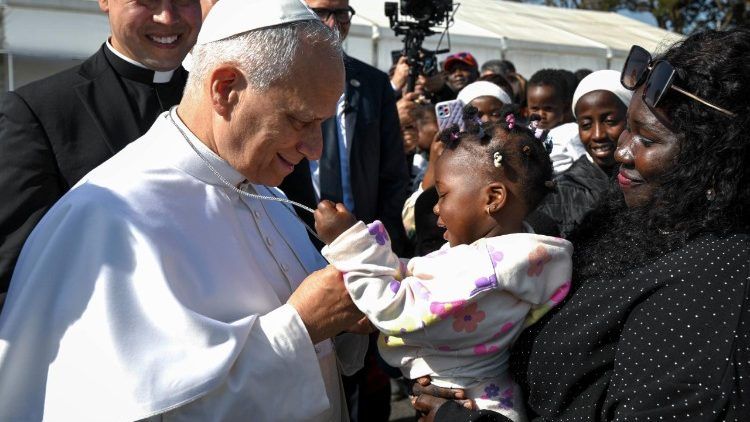
Imágenes exclusivas de Vatican Media que recogen la llegada y las actividades del Papa a la isla de Tenerife, en España, en el séptimo día de su viaje apostólico
Leer todo
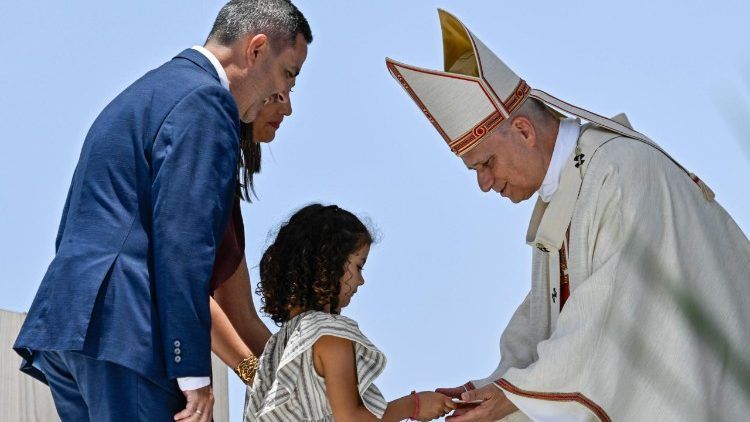
Pope Leo brings his Apostolic Journey to Spain to a close in the Port of Santa Cruz de Tenerife, stressing that “no human being is an island”.
Read all
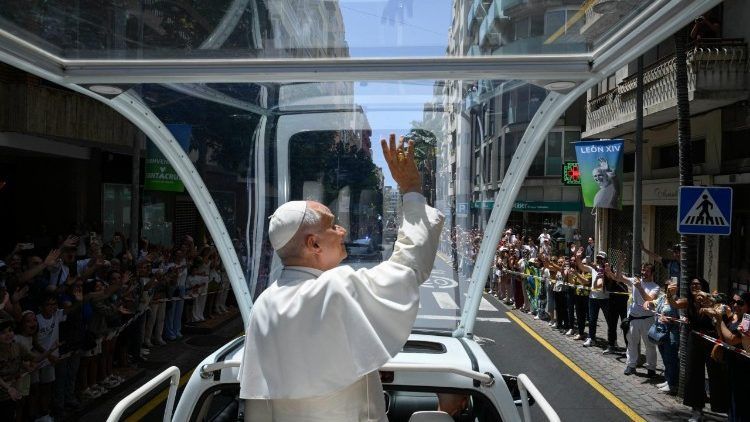
Concluding his Apostolic Journey to Spain, Pope Leo XIV thanks the Spanish people for their welcome and urges the world to "lift up its gaze".
Read all
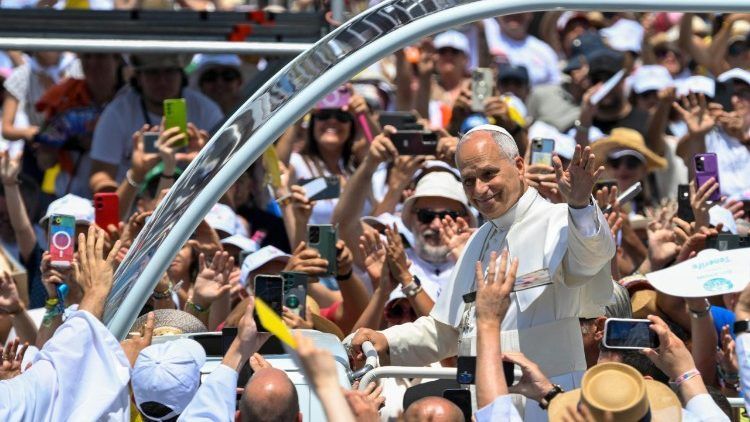
En la Solemnidad del Sagrado Corazón de Jesús, en el Puerto de Santa Cruz de Tenerife, el Papa exhortó a los isleños a cultivar su vocación a la acogida, pero no solo de aquellos que llegan por turismo, reduciendo todo a un mero comercio y beneficio, sino de quienes con su bagaje de pobreza y dolor enfrentan rutas migratorias peligrosas y violentas buscando una oportunidad, una ayuda.
Leer todo
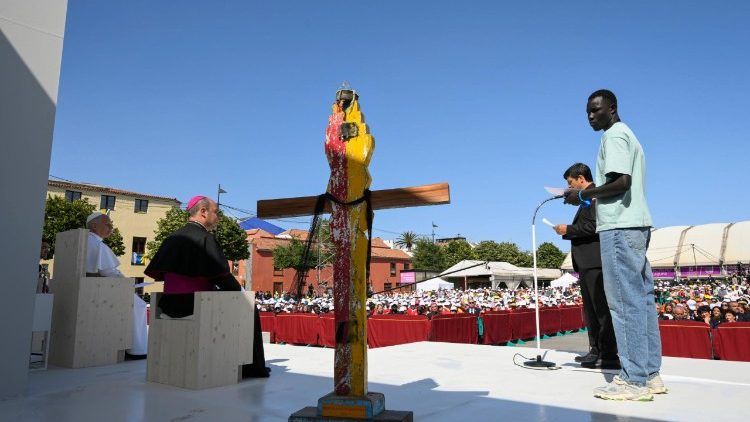
Meeting organisations working with migrants in Tenerife, Pope Leo XIV calls integration a shared responsibility that restores dignity and belonging, while urging human traffickers to repent before facing divine justice.
Read all
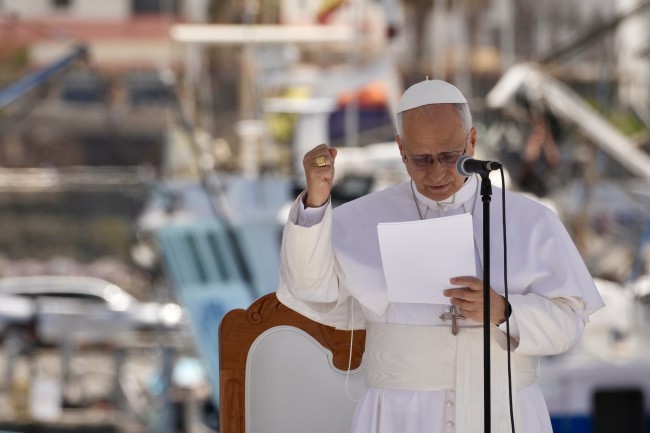
PORTA OF SANTA CRUZ OF TENERIFE, Spain (CNS) -- After hearing the stories of men and women who survived harrowing journeys in unsafe boats and then faced exploitation by their captors, Pope Leo XIV harshly condemned such criminals, and he admonished those who turn a blind eye.
ORLANDO, Fla. - The United States Conference of Catholic Bishops (USCCB) gathered June 10-12 for their Spring Plenary Assembly in Orlando, Florida. The assembly began with the bishops sending prayers and a message to the Holy Father . Archbishop Paul S. Coakley addressed the body of bishops for the first time as Conference president. He was followed by Archbishop Gabriele Caccia, apostolic nuncio to the United States, who delivered his first plenary address to the U.S. bishops since Pope Leo XIV appointed him nuncio earlier this year.
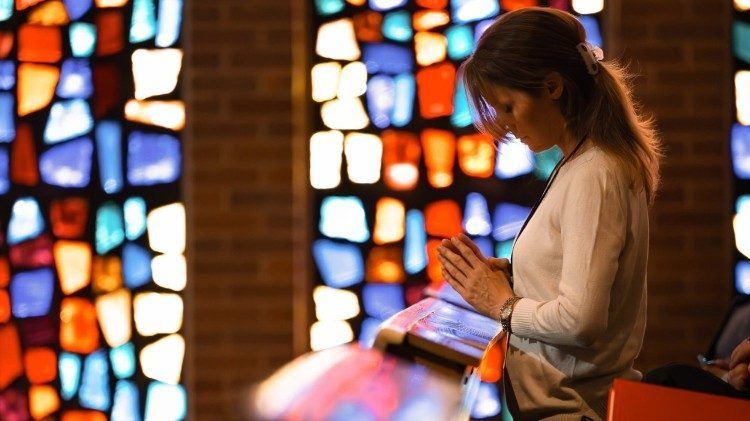
El acto tiene lugar en vísperas de la solemnidad prevista en el calendario litúrgico y en el marco de las celebraciones del 250 aniversario de la firma de la Declaración de Independencia: «Que nuestros corazones se unan al vuestro, para que nuestras familias y comunidades gocen de paz y felicidad», reza, entre otras cosas, la oración específica.
Leer todo
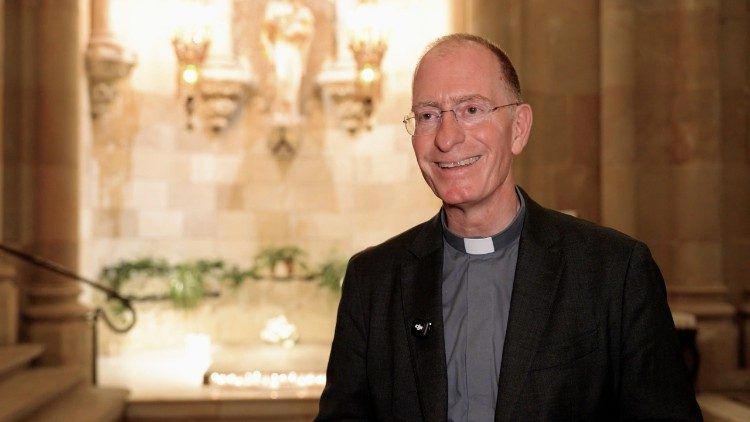
La visita del Papa León XIV a Barcelona estará marcada por uno de los momentos más simbólicos de la historia reciente de la Sagrada Familia: la bendición de la Torre de Jesucristo, coincidiendo además con el centenario de la muerte de Antoni Gaudí. Así lo destaca el rector de la basílica, el padre Josep María Turull, quien subraya la profunda dimensión espiritual de la obra del arquitecto catalán y la relevancia de la presencia del Pontífice.
Leer todo